
 Image 1 of 5
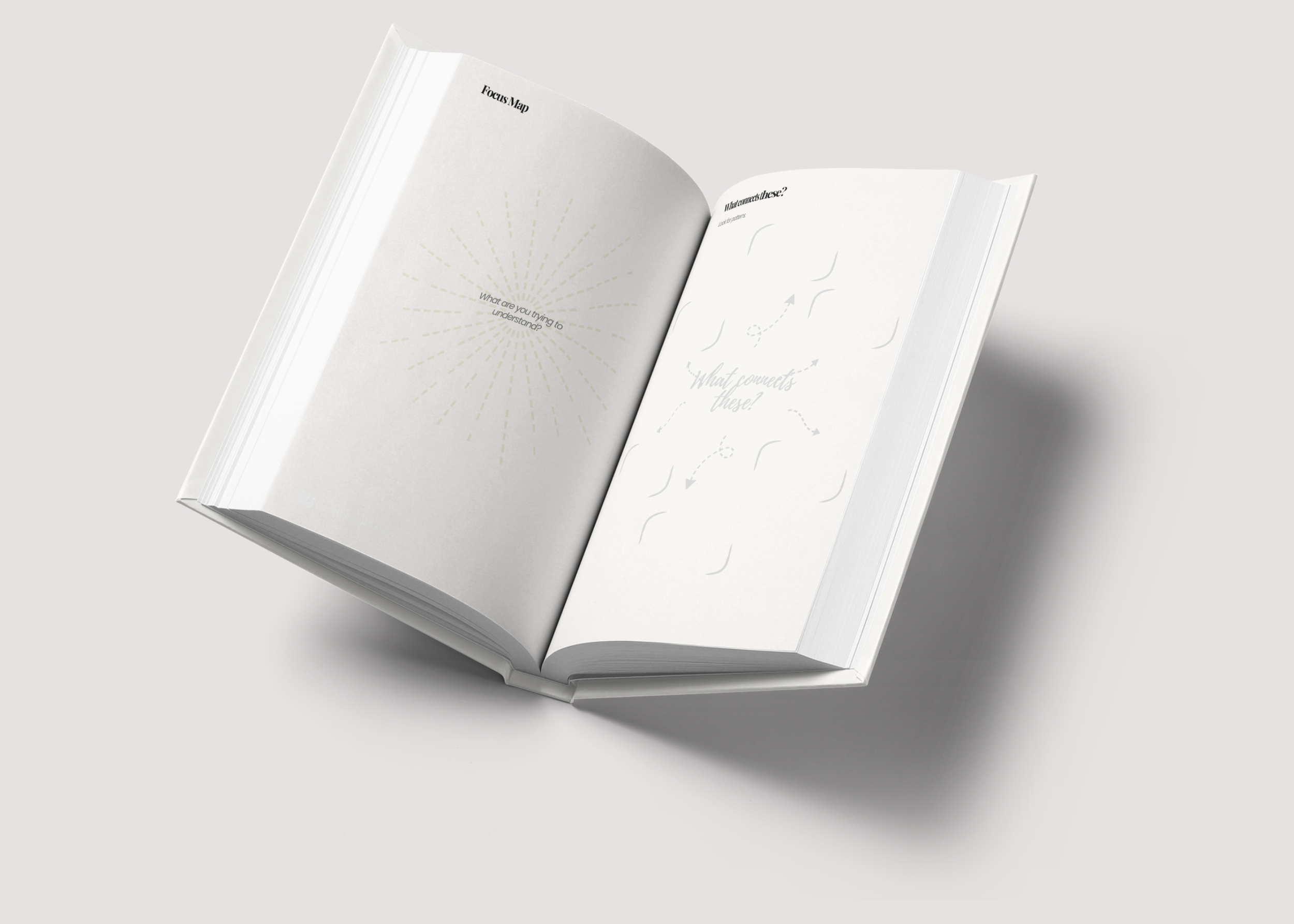 Image 2 of 5
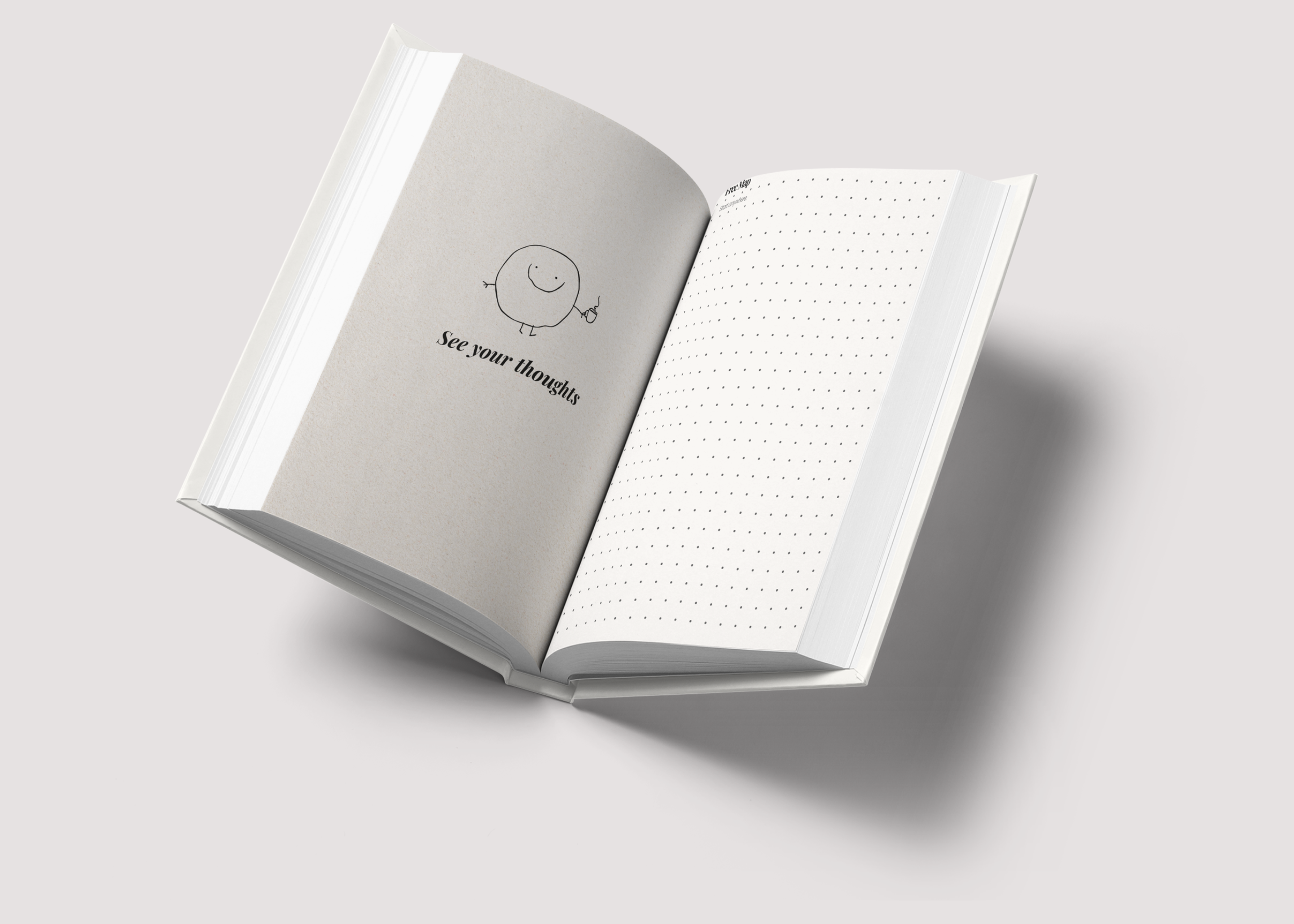 Image 3 of 5
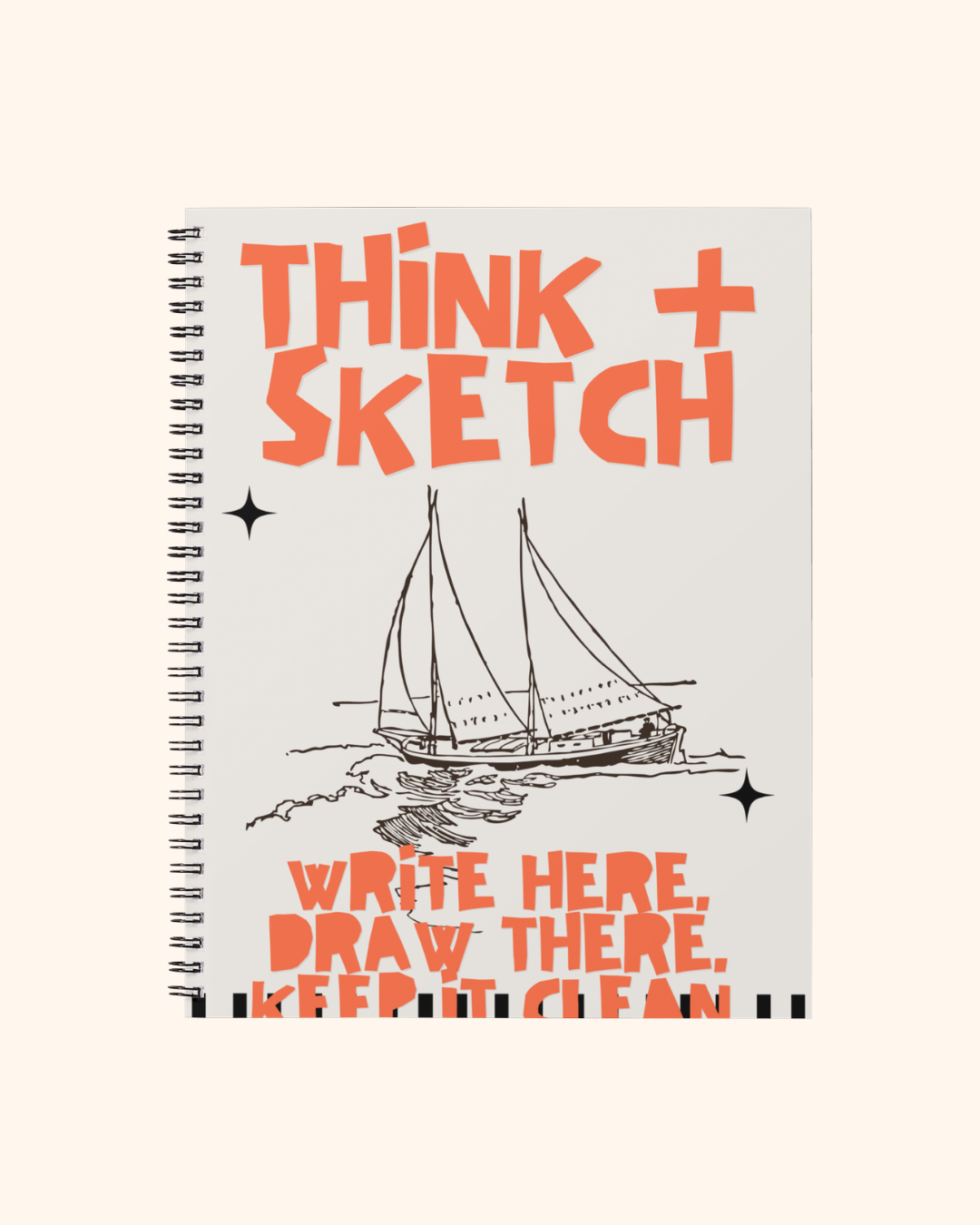 Image 4 of 5
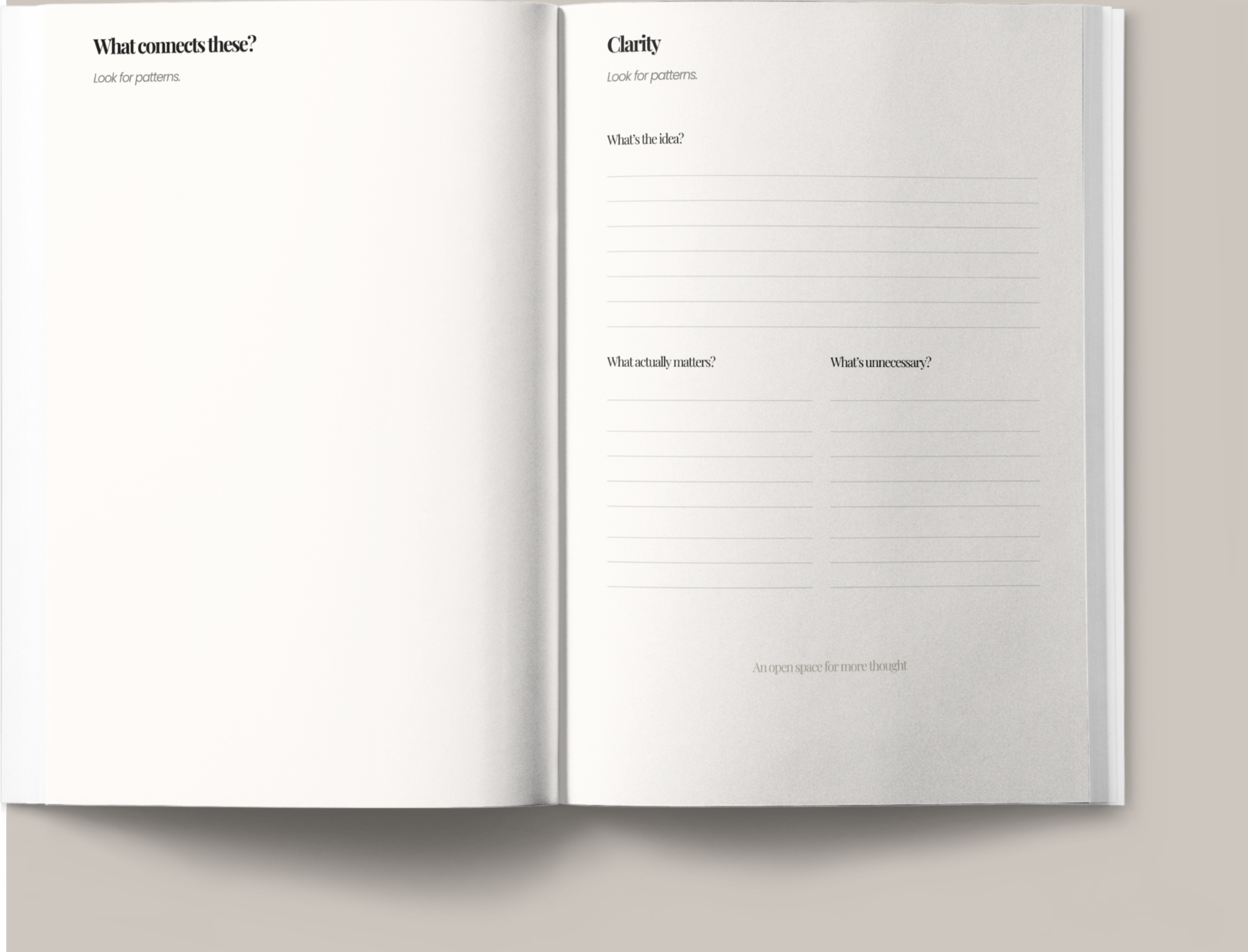 Image 5 of 5
Most notebooks assume your thoughts come out in order. This one doesn’t.
The Visual Thinking Notebook is made for non-linear thinkers, people whose ideas show up as diagrams, scattered phrases, arrows, and quick sketches. It’s a space to think on paper without forcing your brain into perfect structure. Use it for idea dumps, meeting notes, concept mapping, problem-solving, creative planning, or anything that starts messy and gets clearer as you go.
It’s ideal for brainstorming, mind mapping, diagramming, and capturing ideas in fragments, so you can organize thoughts naturally and turn brain-noise into clarity.
Open pages for diagrams, sketches, and unfinished thoughts
Simple thinking frameworks (flows, contrasts, expansions)
Pattern recognition without forcing conclusions
Interruptions that stop over-explaining
Undated, non-linear structure
Format: Undated visual thinking journal
Pages: 120pages
Use Style: Non-linear, open use
Structure: Mostly unstructured with light visual frameworks
Paper: Thick, sketch-friendly (pen + light marker compatible)
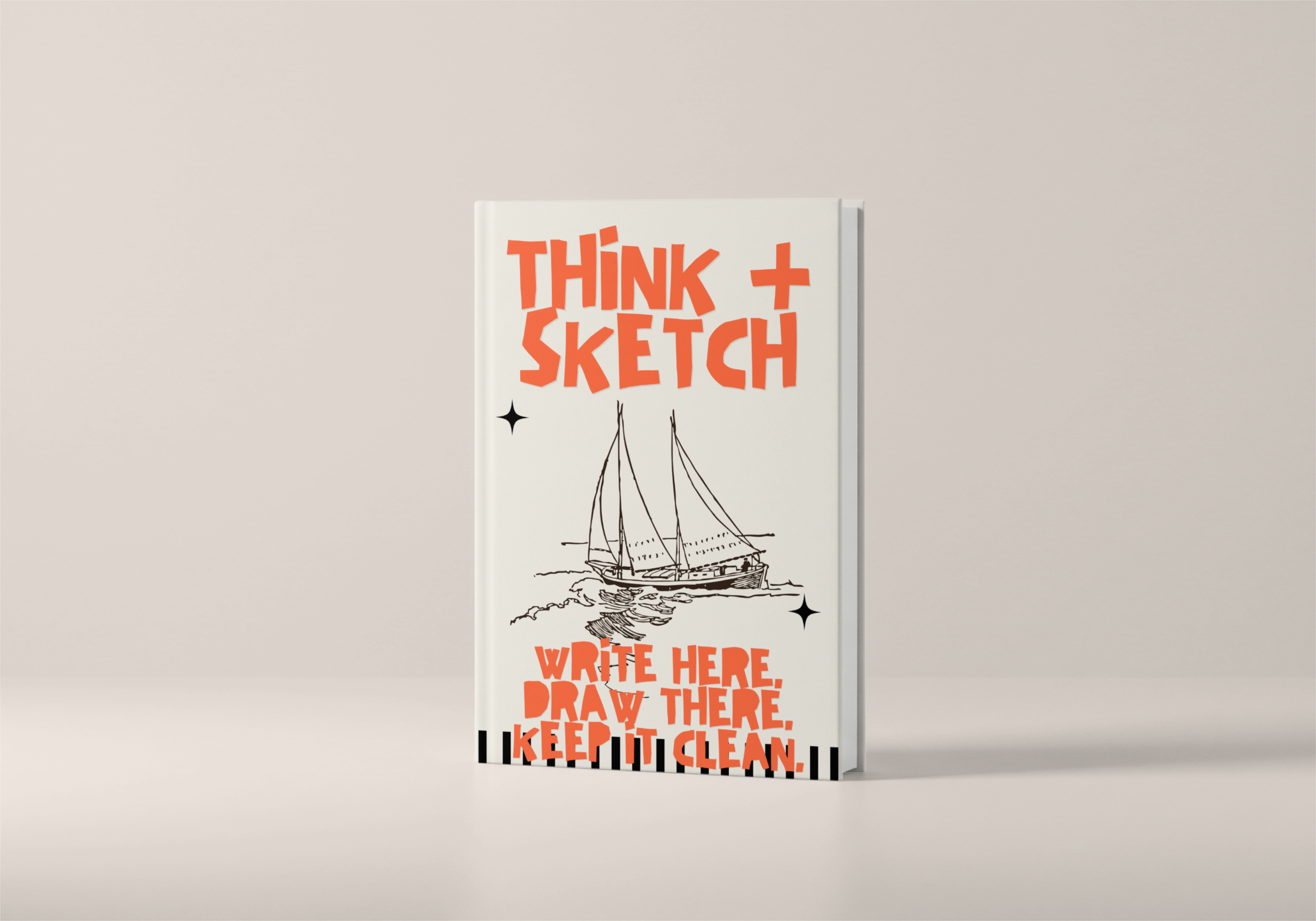
Cover: Minimal, text-led
Size: Slightly larger than A5 (to allow freer movement)
Most notebooks assume your thoughts come out in order. This one doesn’t.
The Visual Thinking Notebook is made for non-linear thinkers, people whose ideas show up as diagrams, scattered phrases, arrows, and quick sketches. It’s a space to think on paper without forcing your brain into perfect structure. Use it for idea dumps, meeting notes, concept mapping, problem-solving, creative planning, or anything that starts messy and gets clearer as you go.
It’s ideal for brainstorming, mind mapping, diagramming, and capturing ideas in fragments, so you can organize thoughts naturally and turn brain-noise into clarity.
Open pages for diagrams, sketches, and unfinished thoughts
Simple thinking frameworks (flows, contrasts, expansions)
Pattern recognition without forcing conclusions
Interruptions that stop over-explaining
Undated, non-linear structure
Format: Undated visual thinking journal
Pages: 120pages
Use Style: Non-linear, open use
Structure: Mostly unstructured with light visual frameworks
Paper: Thick, sketch-friendly (pen + light marker compatible)
Cover: Minimal, text-led
Size: Slightly larger than A5 (to allow freer movement)